


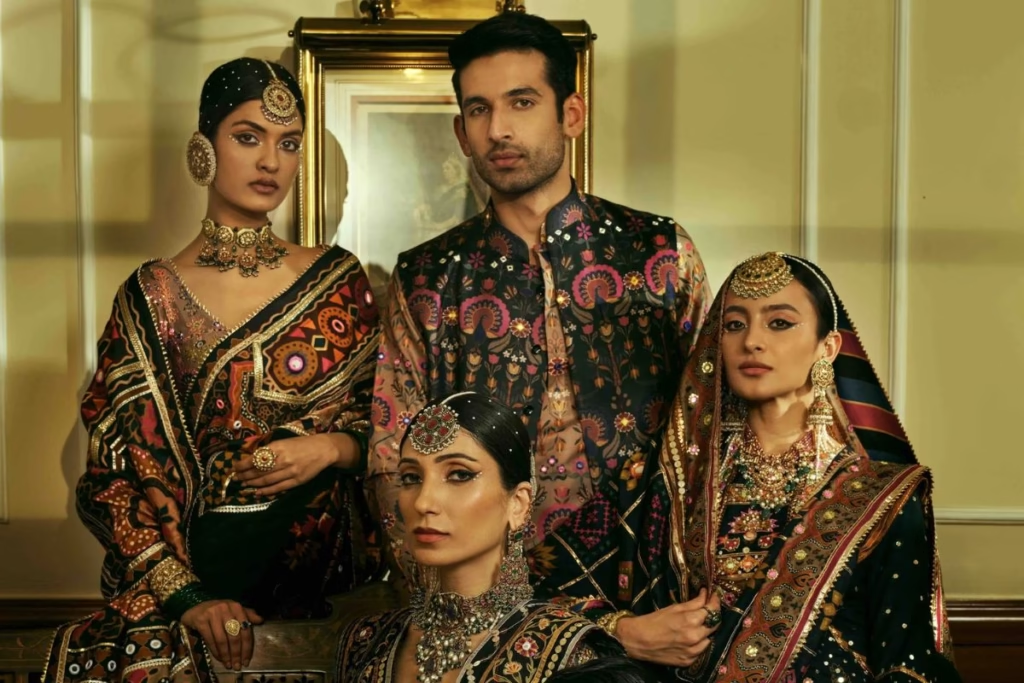
Across Asia, garb tells testimonies a long way past style. Every stitch, fold, and sample displays traditions, ideals, and private identification. From ceremonial gowns to ordinary apparel, clothes deliver records, and that means. Wearing those garments connects humans to ancestors, networks, and culture. Through colour, fabric, and style, garb will become a residing expression of identification, culture, and records that maintains to adapt at the same time as honouring the past in significant ways.
Cultural Symbolism in Dress
Colours, motifs, and styles talk volumes in Asian garb. Red is related to pleasure and celebration, at the same time as white regularly represents purity or mourning. Symbols like dragons, lotuses, and geometric designs silently speak ideals and values throughout generations. Festivals and weddings bring those symbolic clothes to life, expressing connection, pride, and tradition. For instance, a ceremonial sari or hanbok can also carry centuries of cultural meaning. Local groups cautiously maintain those codes, making Asian clothes Bradford a bridge between identification and expression that transcends normal style.
Traditional Fabrics and Textiles
Fabric desire in Asia regularly displays geography, climate, and tradition. Silk, cotton, wool, and hand-spun fibres had been crafted for hundreds of years with exceptional skill. Weaving strategies are passed down through families, keeping cultural knowledge. Natural dyes from flowers and minerals upload intensity and person unrivaled via the means of machine-made colours. Every flaw in handwoven cloth is evidence of human labor, perseverance, and inventiveness. In each fold and pattern that characterises Asian clothing, carrying the substance inspires a feeling of the beyond and a tactile hyperlink to ancestors who toiled diligently to offer consolation and beauty.
Regional Clothing Identities
Distinct areas produce garb that defines nearby identification. The kimono of Japan, the sari of India, the hanbok of Korea, and the baju kurung of Southeast Asia all have awesome geographical, climatic, and community values. While layered garb is suitable for less warm climates, loose-fitting garb is suitable for hotter climates. Regional garb regularly indicates tribe, marital status, or profession, imparting diffused social cues without words. These clothes shape a visible language, permitting humans to comprehend foundation and belonging at a glance. Regional identities keep steering style choices, keeping the historical past at the same time as mixing gracefully with current expression and style.
History Through Asian Attire
History is woven into each thread of Asian garb. Dynasties, trade, and migration have left seen strains in embroidery, styles, and garment structure. Clothing regularly suggests versions of new effects at the same time as maintaining cultural identification. Some clothes inform testimonies of resistance or survival in the course of overseas rule. Others screen wealth, power, and standing throughout eras. Wearing those conventional clothes nowadays connects humans with beyond generations. Clothing will become residing records, a tactile hyperlink to centuries of social change, resilience, and creativity that continue to form current identification.
Rituals and Ceremonial Wear
Ceremonial apparel performs a key position in rituals throughout Asia. Weddings, non secular events, and fairs call for clothes wealthy in symbolism and meaning. Bridal wear, closely embroidered or embellished with jewels, represents blessing, transition, and one’s own circle of relatives honour. Religious gowns display devotion, humility, or authority, with shades and cuts signifying position and rank. During such events, apparel isn’t always simply ornament but rather a part of the ritual itself. It permits members to encompass a way of life, embodying lifestyle and notion via material and form, developing unforgettable moments.
Clothing and Social Status
Asian apparel frequently displays social rank and network perception. Certain fabrics, shades, or styles traditionally indicated nobility, royalty, or expert position. Even diffused information these days can screen education, the status of one’s own circle of relatives, or ceremonial importance. While current lifestyles have blurred strict rules, formal and handmade apparel nonetheless consist of those means. Traditional clothes talk of respect, background, and authority without words. Wearing them can signal pride, belonging, or consciousness of cultural values. Through apparel, people explicitly position their way of life and identity.
Modern Identity Expressions
Contemporary Asian style blends way of life with individuality. Younger generations creatively integrate conventional apparel with current apparel, generating expressive, precise looks. Designers reinterpret ancient clothes while respecting their cultural meaning. Wearing conventional apparel these days can mirror non-public identification, pride, or connection to background. In cities, streets, and celebrations, current variations of conventional clothes carry vibrancy and voice to the background. This ongoing evolution guarantees Asian apparel continues to hold identification, lifestyle, and records ahead with fashion and purpose.
Conclusion:
Asian apparel is a long way more than fashion; it embodies lifestyle, records, and identification. Traditional apparel preserves background whilst permitting current expression. Wearing those clothes is a part of ancestry, pride, and connection, retaining a lifestyle alive in an international world continuously in motion. Clothing remains an important means for human beings to express themselves, honour ways of life, and convey identification with dignity and splendour throughout Asia.
Also, read: Pregnancy Pillow (schwangerschaftskissen)– Ultimate Comfort