


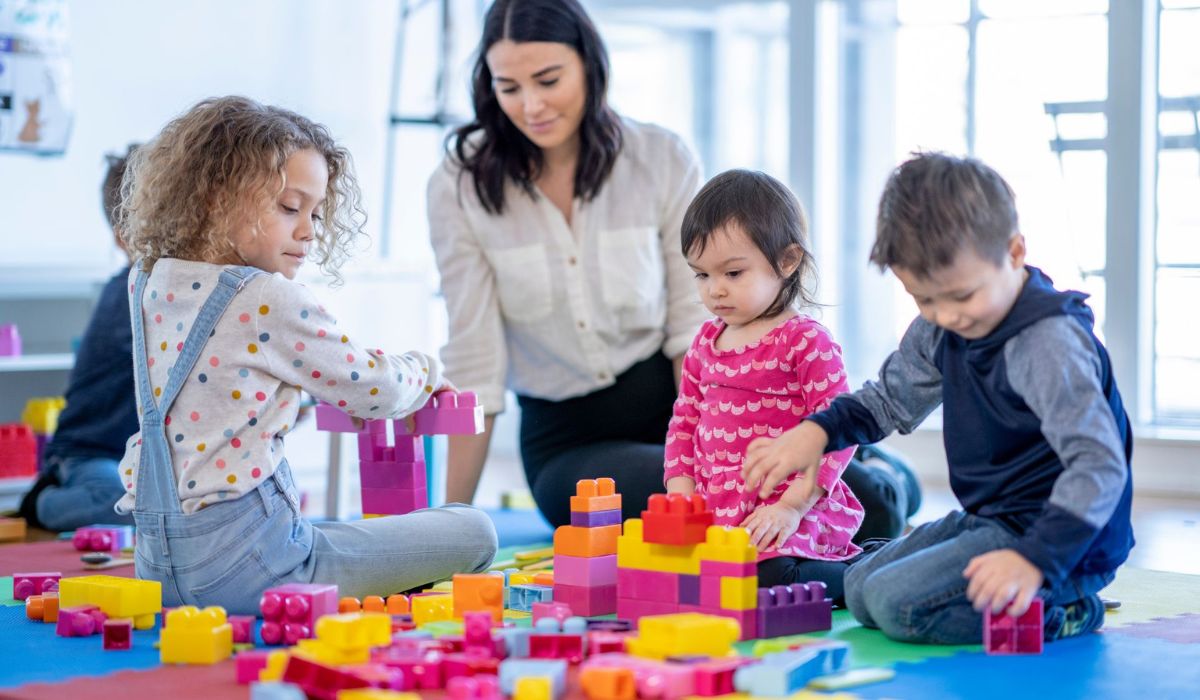
A choice of the best creche facility is one of the most crucial choices that you can make regarding the early learning achievement of your child. Find a positive environment and one with trained staff, a structured curriculum and emphasis on emotional and interpersonal growth. Look into the interactions of teachers with students and the atmosphere of the place, whether it is nice, clean, and safe. Other important elements are the openness to the parents and small classes. It is possible to check the facilities, teaching process, and ratings by visiting credible preschool Manchester. It is within an early learning environment that confidence, interest and a sound intellectual foundation are built.
Evaluate the School Environment
Their physical environment has a strong impact on initial growth. When you visit a childcare centre, look for evidence of a warm, friendly, and child-friendly atmosphere. Classrooms need to have age-appropriate teaching materials, which are well illuminated, neat, and well organised. The presence of books, playful, both imaginary and didactic toys, provokes curiosity and engagement. Children enjoy learning when they are motivated and feel at ease. The centre has an orderly and well-laid-out environment, and this shows a high value of planned development and study.
Confirm the Experience and Qualifications of the Staff
The quality of teachers directly correlates with the quality of early learning that your child goes through. Ask about the training, qualification and employment of educators and carers. The specialists in the field of childhood education are familiar with the stages of child development and effective techniques of learning.
Experienced workers have a better opportunity to identify the different learning needs of students and promote emotional development. Moreover, observe the way teachers interact with the children. The teachers are understanding, aware, and supportive of young learners, and this helps them to enjoy the favourable environment provided by teachers.
Investigate the Curriculum Structure
A properly designed program provides early education with direction and organisation. Enquire whether the creche is based on any of the existing preschool educational frameworks or philosophies. The balance in the curriculum should include play-based learning and school preparation. It is also important to participate in creativity, problem-solving, literacy and numeracy activities.
Unstructured social interactions and play also help children to develop their capacity to work and communicate. Instead of schoolwork, a proper curriculum ensures the complete growth of children.
Look at the Proportions of Children to Employees
Less frequent students in a class often lead to better particular focus. Ensure that the child-to-staff ratio is in compliance with the requirements posed by the inquiry. When the caretaker is dealing with fewer children, they can be better placed to address the needs of each child and provide individualised instruction.
Besides boosting mental health, focused attention helps teachers to identify the areas where students are strong and developing. On the other hand, elevated ratios can limit meaningful relationships and decrease the quality of care overall.
Follow Safety and Hygiene Principles
Safety should always be given priority. Ask about areas that have been made childproof, safe exits and clear emergency procedures during your visit. Sanitation is also important in preventing the spread. It is important to sanitise toilets, furniture and toys on a regular basis.
The workers are expected to wash their hands and follow other strict hygiene requirements. A creche institution with high safety and hygienic conditions bears responsibility and genuine interest in the well-being of the children.
Identify the Communication Techniques that Work
Parents and teachers should communicate effectively to promote early academic success. Get information on how the facility informs the parents about the development of their child. Parent-teacher conference, regular updates and daily updates are used to keep the families informed. Besides building confidence, sincere communication will help the parents facilitate learning in the home environment. A creche centre which encourages parental participation, appreciates teamwork and realises that it enhances the development of a child.
Review the Values and Philosophy of the Centre
Every nursery centre possesses a philosophy of education. Some believe in the play-based method of learning, whereas some follow formal education. It becomes easier to determine whether the values of the centre complement the parenting way that you practice when you know them. The attitude that promotes innovation, individualism, and societal development often leads to whole-person development. A centre that fits into the family values of the family would also ensure that your child is secure due to continuity between the home and the school environments.
Analyse Extracurricular Activities
Additional activities can be used to enhance early learning experiences. Outdoor play, storytelling, painting, music and physical education help in the intellectual and physical development. The confidence and coordination created by vigorous exercise are important, whereas the creativity created by creative expression is important.
Determine whether the centre has a variety of extracurricular activities to supplement the primary curriculum. The experiences generated by wide-ranging exercises keep the kids excited and motivated to learn.
Final Words:
Selecting a nursery facility takes careful investigation, observation, and introspection. Every element affects your child’s experience, from curriculum design and staff credentials to protection regulations and communications procedures.
Also, read: How Parents Can Plan Productive School Breaks for Kids