


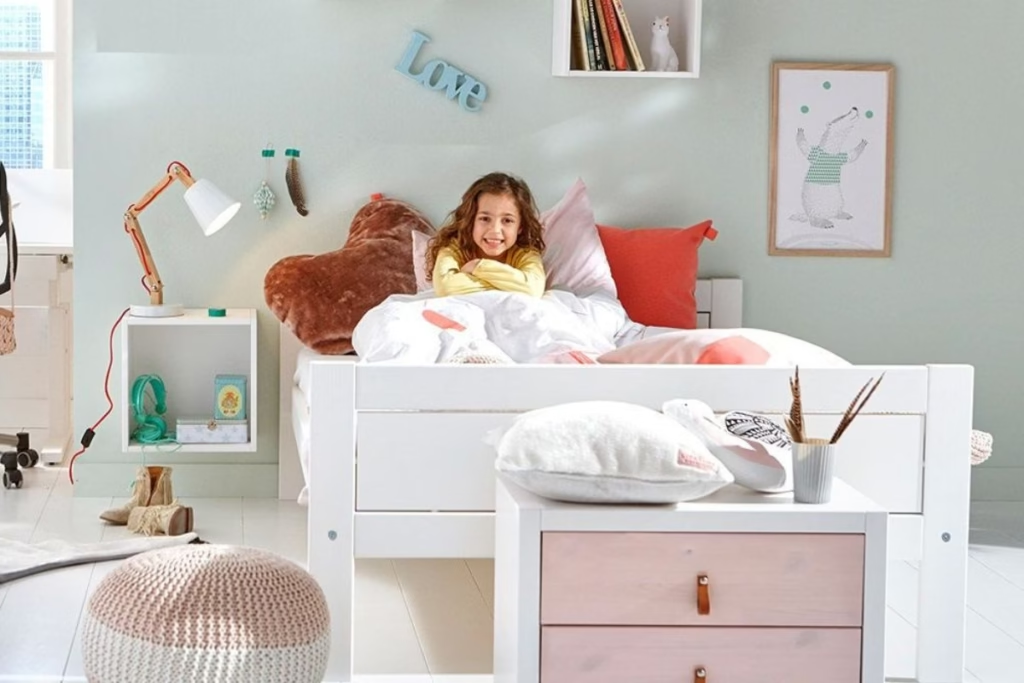
Introduction:
Sleep is essential for development. It boosts memory, immunity, emotional balance, and overall development. A child’s sleep depends on several factors, but the bed is always the most significant. Children grow rapidly, have problems sleeping, and need secure, comfortable play areas. Many adults don’t have these issues. Thus, the right bed is more than simply furniture—it’s a safe, pleasant space for a child to sleep and find their individuality. Parents often overlook this decision since they only consider design. However, size, structure, materials, and flexibility can affect a child’s health and well-being.
Age and Developmental Needs
The bed a child needs depends on their age. Toddlers require low beds with guardrails to feel safe when they first leave their cribs. These designs reduce falls and let children adjust to a new bed without fear. Style is less essential than safety and comfort now.
Children outgrow toddler beds physically and psychologically as they enter primary school. A twin bed is often the next step since it allows a child more space while still fitting comfortably in their room. Children need strong, large beds to let their imaginations run wild throughout their growth. However, older children and pre-teens may need full-size beds for their expanding bodies and independence. If they buy a bed that grows with their child, parents will buy it less regularly. This keeps the child comfortable. Brighten up any bedroom with stylish and cosy childrens bed sets designed for comfort and fun.
Safety Above All Else
A child’s bed must be secure as well as comfortable. Toddlers need rounded edges, smooth surfaces, and robust guardrails. Your fall should be soft if your bed is low.
Loft and bunk bed safety becomes increasingly critical as children become older. While moving, the structure must be robust and the guardrails high enough to prevent rolling. Ladders must be secured. Parents should choose bunk bed designs that meet safety standards since poorly made bunk beds might be deadly. Children play on wood and metal surfaces; thus, their finishes should be chemical-free. Safety always comes first; it makes sleep peaceful and worry-free.
The Mattress: Where Comfort Begins
The frame stabilises the bed, but the mattress is what is important for sleep. Growing children need mattresses that support spinal alignment and distribute weight. Lack of support can create postural issues, sleep issues, and adult-life discomfort.
Children who move a lot while sleeping benefit from innerspring mattresses’ strength and bounce. Memory foam mattresses ease pressure points and make children more comfortable. Combining technologies makes hybrid mattresses ideal for families seeking balance. Children might get too hot at night; thus, breathability is crucial. Mattresses with cooling layers or breathable fabrics increase sleep quality.
A high-quality mattress may appear expensive, but it will assist the child’s health and last a long time. A bed frame might last 10 years, but the mattress makes each night pleasurable.
Size and Space in the Bedroom
A child’s bedroom is more than just a place to sleep; it’s also a place to play, learn, and sometimes get away from the rest of the house. So, the bed should fit the room in a way that leaves ample space for other things to do.
If you have a small room, you need to pick small beds. Loft beds with desks or storage below make the most of vertical space. They provide children with a place to study without taking up floor space for play. Trundle beds are great for sleepovers since they provide you with another place to sleep without taking up permanent space. Full-size mattresses may provide children more room to spread out in bigger rooms, and they can also be a long-term answer when they get older and become teens.
Parents should also think about circulation space. There should be enough area to walk, go to storage, and keep things clean without the bed getting in the way. The bed should be the proper size for the room’s style and purpose.
Style, Personality, and Ownership
The bed is often the most significant aspect of a child’s room since it defines them. Children regard beds as part of their fantasy world, whereas adults see them as practical. A race car, princess castle, or treehouse bed may make bedtime entertaining and help children adjust to their sleep habits.
As children grow, their tastes change. They may favour simple, modern designs that demonstrate their maturity and independence. Helping children pick makes them feel like owners. Allowing a child to choose their bed may help them view it positively, making bedtime easy. Fun design and timeless appeal must be balanced. This will keep the bed suitable for the child as they develop.
Durability and Material Choice
Children use their furnishings more than adults. Beds may also be trampolines, forts, and play areas. Durability matters. Solid wood frames are durable, robust, and classic, so they match many décor styles. However, modern dwellings benefit from metal frames’ strength and lightness.
Cheap mattresses might wobble, weaken, or shatter when you put weight on them, requiring replacement. Quality materials benefit health and function. Non-toxic paints and hypoallergenic fabrics on hardwood frames protect the environment. A durable bed is an investment in safety, stability, and reliability for years to come.
Storage and Multifunctional Designs
Home space efficiency is more important than ever. Toys, books, clothing, and activities make children’s rooms dirty. Built-in storage beds with drawers beneath the frame, shelves in the headboard, or hidden chambers can assist.
Storage beds help children organise and learn responsibility. Giving them a place to keep their stuff helps them stay orderly and quiets the space. Cleaning your bedroom helps children fall asleep sooner, improving their health. Beds with storage and study desks are beneficial in small homes where every square foot counts.
Planning for the Future
Children develop quickly, and their requirements alter even more quickly. It might save you time and money to get a bed that will last. Families that want one piece of furniture to last through several phases of growth will love convertible beds that change from toddler to twin size.
Trundle beds or bunk beds are great for families with more than one child or for houses that often have sleepovers. Beds with modular parts may change as the child’s requirements change, going from fun, infantile designs to more grown-up ones as the child gets older. Parents may make sure the bed stays useful and up-to-date for many years by preparing ahead.
Final Thoughts:
When choosing a bed for your child, you need to think about their age, safety, comfort, durability, and design. You shouldn’t rush this choice since the bed is really important to a child’s health and happiness. It affects how they sleep and how they feel in their own area. The correct bed gives you comfort as you develop, safety while you’re feeling weak, and happiness every day.
A correctly designed bed changes as a child grows, helps them sleep well, and creates a setting for many memories from their childhood. In the end, it’s not just about the furniture; it’s about making a place where health, pleasure, and growth may happen. One of the best methods for parents to help their child’s growth is to put time and effort into making this selection.
Also, read: Mattress Topper Comparison: Which Type of Topper Fits You Best