


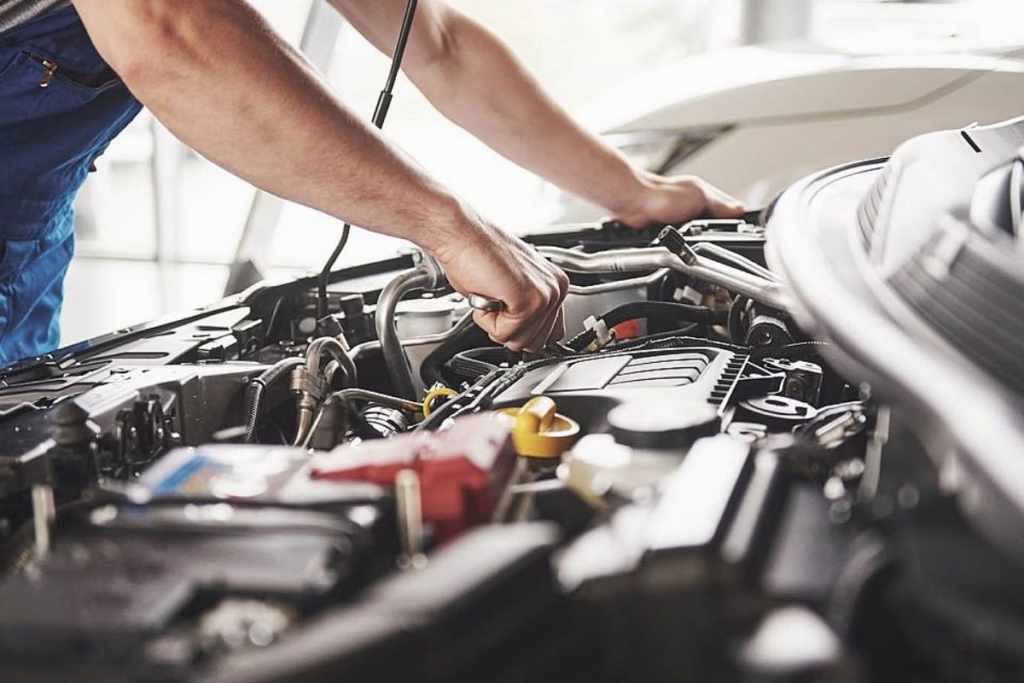
Your automobile is a regular feature of your life; it is not only transportation. It shows obvious indicators, like any other machine, when something is amiss. Ignoring those signals can result in greater damage and even accidents. Every indication is important, from odd noises to dashboard warnings. Seeing these early saves reduces tension and expense. It helps you to stay safe on the road as well. Many drivers postpone inspections until serious issues arise, especially following minor crashes. But acting swiftly changes everything. Paying attention to your vehicle’s health guarantees longer life, improved performance, and peace of mind, whether it be regular maintenance or urgent crashed car repair. In this article, we will discuss 7 warning signs that tell you it’s time for car repair.
Strange Sounds
Your automobile ought to operate quietly without any strange noises. Should you notice grinding, squealing, or hammering, anything is amiss. Often, squealing occurs when pads are exhausted. Loose components could be indicated by a rattling noise. Knocking from the engine might portend major problems. Do not discount these noises. With time, they deteriorate. As soon as you see them, go to a mechanic. Quick checks reduce stress as well as costs. Noise is the first alert most drivers see. It often indicates an underlying issue in progress. Early action helps you avoid greater mistakes later.
Dashboard Warning Lights
Smart dashboards are included with modern cars. Lights alert you to possible flaws. Most frequently seen is the check engine light. Sometimes it points to something significant, but it may also point to something little. Brake lights, oil pressure warnings, or battery alerts should never be ignored. Many drivers ignore these lights, assuming the vehicle will be okay. This blunder can result in more expensive repairs later on. Dashboards are designed to guide your timely actions. Schedule an inspection if a light is on.
Unusual Vibrations or Shaking
A well-maintained car ought to travel without incident. There may be problems if you sense trembling throughout the pedals, seat, or steering wheel. Often vibrations result from bad brakes, unbalanced wheels, or worn-out tyres. It can occasionally indicate suspension issues.
Shaking influences control and comfort. Furthermore, it can render long drives hazardous. Get your car fixed right now if you see any vibrations that increase with speed. Ignoring it can cause brake malfunctions or tyre blowouts. Good management guarantees both safety and an enjoyable driving experience.
Leaks Under the Vehicle
For the condition of your automobile, fluids are essential. Systems run thanks to oil, coolant, brake fluid, and transmission fluid. Take puddles under your car seriously. Oil leaks can destroy the motor. Overheating can be caused by coolant leaks. Safety depends on leaks of brake fluid. Many motorists believe modest leaks are benign. Actually, even small leaks cause more serious problems. Check for liquid patches overnight by placing cardboard under your car. Arrange a repair if you notice any. Early leak repair avoids breakdowns and high-priced fixes.
Loss of Power or Poor Performance
When you push the accelerator, the automobile should react quickly. Something is incorrect if your automobile feels sluggish. Performance might be lowered by engine difficulties, blocked fuel injectors, or transmission troubles. Sometimes, even filters for polluted air might influence power. Bad performance goes beyond just frustration. It raises fuel consumption and stresses the engine. Drivers might have problems climbing hills or passing on highways. Do not attempt to make up for lost power by pushing the vehicle more.
Strange Smells Inside or Around the Car
Your car should not give out unusual aromas. A burning smell may indicate a slipping clutch or worn-out brakes. Sweet scents might come from coolant leaks. A pervasive fuel smell could point to a system leak. These odours are hazardous in addition to being offensive. Smells can indicate concerns you cannot see. Overheating, leaks, or malfunctioning components may mean these. Should you detect recurring odours, resist the impulse to hide them with air fresheners.
Difficulty Starting the Engine
One turn of the key should get your automobile going swiftly. There might be a problem if it struggles or takes too long. Common causes include weak batteries, bad spark plugs, or fuel system problems. Sometimes cold weather can put stress on the system. Typically, a sporadic problem starts with difficulties. Many drivers overlook it until the vehicle refuses to start altogether.
Bad Fuel Economy
Your car could be inefficient if you find yourself refilling your tank more frequently. Dirty fuel injectors, blocked filters, or engine issues lower mileage. Underinflated tyres can cause fuel consumption to rise as well. A certain something is off, indicated by bad fuel economy.
Many dismiss fuel loss as part of natural ageing. Proper care, though, should keep efficiency stable. Low mileage suggests secret faults and increases expenses. Have a mechanic run diagnostics.
Conclusion:
Cars offer several warning signals before failing. Odd noises, warning lights, and subpar performance are not minor problems. They indicate that repairs are necessary. Not paying them results in more expenses and dangerous driving. Regular checks and prompt responses prolong the life of your vehicle. Watch your vehicle’s looks, feel, and sound. Early replies to signals guarantee more efficient, safer travels.
Also, read: MOT Test Checklist: What Drivers Must Know Before Booking