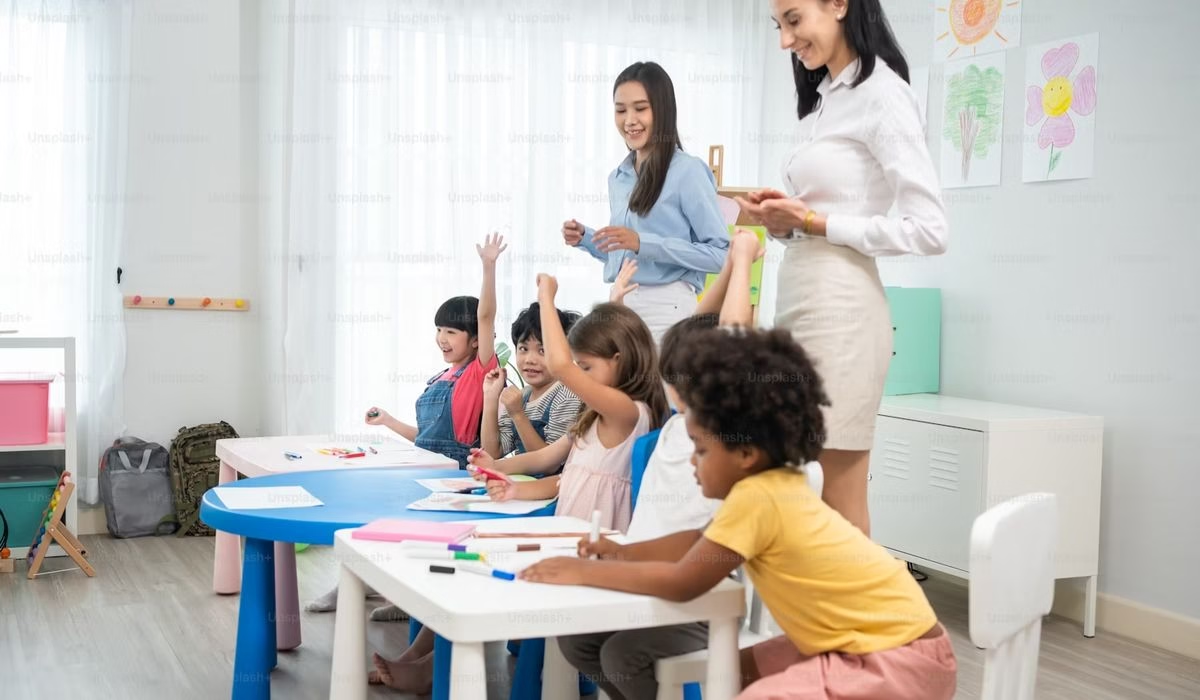
Early learning centres play a key role in a child’s life. These places are more than just childcare. They help young children grow, learn, and build important life skills. From social habits to early thinking skills, children gain a strong base that supports their future education.
In the early years, a child’s brain develops very quickly. This is why the environment around them matters a lot. A day nursery school gives children a safe and caring space where they can explore, play, and learn at their own pace. With trained staff and structured activities, these centres guide children through their first steps of learning.
Building Social Skills
One of the first things children learn in early learning centres is how to interact with others. At home, they may only see family members. But in a centre, they meet other children of the same age.
They learn how to:
- Share toys
- Take turns
- Listen to others
- Work in small groups
These simple actions help children understand teamwork and respect. Over time, they become more confident in speaking and expressing their feelings.
Supporting Emotional Development
Young children often feel many emotions, but do not always know how to express them. Early learning centres help them understand their feelings.
Teachers guide children to:
- Recognise emotions like happiness, anger, and sadness
- Manage their reactions
- Build trust with others
A caring environment makes children feel safe. When they feel secure, they are more open to learning new things.
Encouraging Communication Skills
Language development is another major benefit. In early learning settings, children are encouraged to speak, listen, and respond.
Activities such as:
- Storytelling
- Singing songs
- Group discussions
help improve vocabulary and sentence building. Children who attend these centres often develop better speaking and listening skills compared to those who do not.
Early Learning Through Play
Play is a big part of learning at this stage. It may look simple, but it is very powerful. Through play, children learn problem-solving, creativity, and thinking skills.
Examples include:
- Building blocks to understand shapes and balance
- Puzzle games to improve thinking
- Role play to develop imagination
These activities make learning fun and natural. Children do not feel pressure, yet they learn important concepts.
Developing Physical Skills
Early learning centres also support physical growth. Children take part in both indoor and outdoor activities.
They practise:
- Running and jumping
- Holding pencils and crayons
- Using scissors safely
These actions improve both gross and fine motor skills. Physical activity also helps children stay healthy and active.
Creating a Learning Routine
Routine is very important for young children. It gives them a sense of structure and stability. Early learning centres follow a daily schedule.
This may include:
- Playtime
- Learning sessions
- Snack breaks
- Rest time
Having a routine helps children understand time and responsibility. It also prepares them for school life.
Boosting Confidence and Independence
When children try new things and succeed, they feel proud. Early learning centres give them many chances to explore and learn on their own.
They are encouraged to:
- Make simple choices
- Complete small tasks
- Solve basic problems
This builds confidence and independence. Children learn to trust their abilities, which is important for their future.
Preparing for Primary School
Children who attend early learning centres often adjust better to primary school. They are already familiar with group learning and basic instructions.
They understand:
- How to sit in a group
- How to follow rules
- How to listen to a teacher
This smooth transition helps them feel less anxious and more ready to learn.
Role of Qualified Staff
The staff in early learning centres play a vital role. They are trained to understand child behaviour and development.
They:
- Observe each child’s progress
- Provide support where needed
- Create fun and engaging lessons
Their guidance ensures that every child gets the attention they need.
Encouraging Creativity
Creativity is an important part of early education. Children are given freedom to express themselves.
Activities like:
- Drawing and painting
- Music and dance
- Craft work
help children think in new ways. Creativity also improves problem-solving and imagination.
Building Good Habits
Early learning centres also teach basic life habits. These habits stay with children as they grow.
They learn:
- Washing hands
- Cleaning up after play
- Being polite
These small lessons help shape responsible behaviour.
Working with Parents
Good early learning centres work closely with parents. They share updates and progress regularly.
This partnership helps:
- Understand the child better
- Support learning at home
- Solve any issues early
When parents and teachers work together, children benefit the most.
Conclusion:
Early learning centres play a strong role in shaping a child’s growth and skills. They provide a balanced mix of learning, play, and care. Children develop social, emotional, and thinking skills that stay with them for life.
By giving children the right start, these centres help build confident, happy, and capable individuals. Investing in early education is one of the best ways to support a child’s future success.
Also, read: Premium Digital Education Help in South Africa