Introduction
Fire safety is crucial to building design and management. It provides emergency safety and ensures structures satisfy regulations. Follow fire safety standards to safeguard lives, property, and corporate continuity, not only to avoid fines. Fire safety is a priority in households, companies, industries, and public buildings. You must know the regulations, apply proper safety measures, and maintain a building to prevent fires.
The Importance of Fire Safety in Buildings
Fires can cause death, property damage, and long-term business issues. Fire safety standards reduce these risks by implementing prevention, detection, and response systems. In addition to regulatory requirements, fire safety builds trust among workers, clients, and tenants. Compliance protects brand reputation and insurance coverage in the company. Providing fire protection is a moral obligation and a wise business decision for property managers and owners. The BREEAM hea 06 assessment UK helps ensure buildings provide optimal indoor environments that promote occupant health and wellbeing.
Understanding Fire Safety Regulations and Standards
To comply, you must know all local fire safety requirements for construction. The main UK laws are the Regulatory Reform (Fire Safety) Order 2005. It states that a “responsible person” must assess fire risks and safeguard people. The NFPA and IBC are international standards that specify fire protection equipment and building design. These guidelines include fire detection, alarm systems, escape routes, fire-resistant materials, and emergency lighting. You must know the legislation to ensure constructions meet standards.
Conducting a Comprehensive Fire Risk Assessment
Fire risk assessment is crucial to fire safety. This method involves identifying hazards, estimating fire risk, and assessing damage. A thorough review must consider ignition sources, flammable compounds, and sensitive populations including children, the elderly, and the disabled. The data must then be used to implement safety measures including storing flammable products carefully, installing fire detection systems, and making sure everyone knows how to escape the building swiftly. The fire risk assessment must be reviewed and updated continuously to adapt to building modifications.
Fire Suppression Systems and Equipment
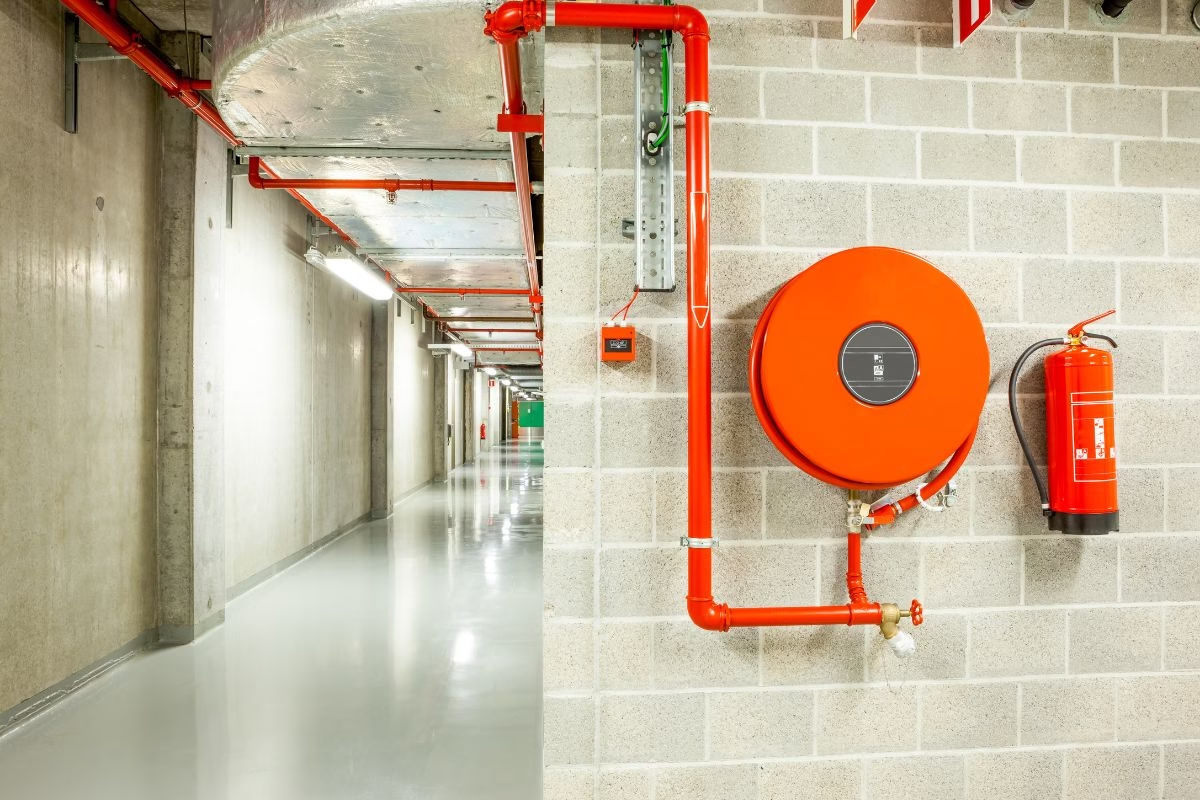
Fire suppression systems are needed to extinguish fires in buildings as well as smoke detectors. A full plan includes fire extinguishers, sprinklers, server room and chemical storage suppression systems. Structure size and kind determine fire extinguisher amount and type. They must be accessible and in the proper position. Since sprinklers save lives, they are becoming more frequent in houses. They are usually in larger buildings. Companies and property managers must inspect and update their equipment to comply.
Designing Buildings with Fire Safety in Mind
Building fire protection begins with design, not equipment. Architects and builders should use fire-resistant materials, divide places to prevent flames and smoke, and provide multiple exits. Fire resistance keeps vital parts of a building stable long enough for people to escape. Fire smoke is toxic; hence, ventilation systems should be installed. When fire safety is incorporated into a building’s architecture, obeying the standards becomes automatic.
Emergency Exits and Evacuation Procedures
Following fire safety guidelines includes ensuring safe and speedy building exits. Building emergency exits must be marked and clear. Emergency lights would assist individuals in finding their way during power shortages. Evacuation plans should consider building layout and resident needs. This will allow everyone to exit quickly and safely. To ensure these systems function and everyone knows the routes and rules, fire drills should be done often. Everyone in the facility must know and practise evacuation strategies.
The Role of Training and Awareness
The finest fire safety equipment won’t function if people don’t know how to use it or the emergency procedures. Staff training is crucial to obeying rules. Employees must know how to escape, raise the alarm and find fire extinguishers. Fire wardens or marshals can assist with evacuations and enforce safety laws. Signs, posters, and periodic briefings promote safety. Training develops compliance with a set of regulations into a lifestyle that makes the building safer.
Penalties for Non-Compliance
Fire safety violations can result in penalties and jail time. Not obeying the regulations puts individuals at risk and exposes businesses to litigation, reputation damage, and fire damage losses in addition to legal fines. If someone broke the rules and made things worse, insurance companies may not pay. These potential repercussions demonstrate the need for fire safety compliance beyond a formality.
Ongoing Maintenance and Review
Fire safety compliance cannot be ignored. Always inspect and maintain it. Regularly test alarms, sprinklers, and extinguishers to ensure they operate. Because building or usage changes might introduce new threats, fire risk assessments and safety measures must be revised. Authorities require maintenance and testing records to prove conformance; therefore, keep accurate records. By being proactive with maintenance, building managers can ensure tenants’ safety.
Conclusion:
Building fire safety compliance involves knowledge, work, and attention. Risk assessments, system installations, training, and maintenance all contribute to population and property safety. Compliance should be considered as a moral commitment that indicates the building owner cares about safety, not merely a legal necessity. Businesses and property managers may promote fire safety to keep people safe. It will also ensure legal and regulatory compliance.
Also, read: How to Find International Clients for Digital Marketing in 2025