
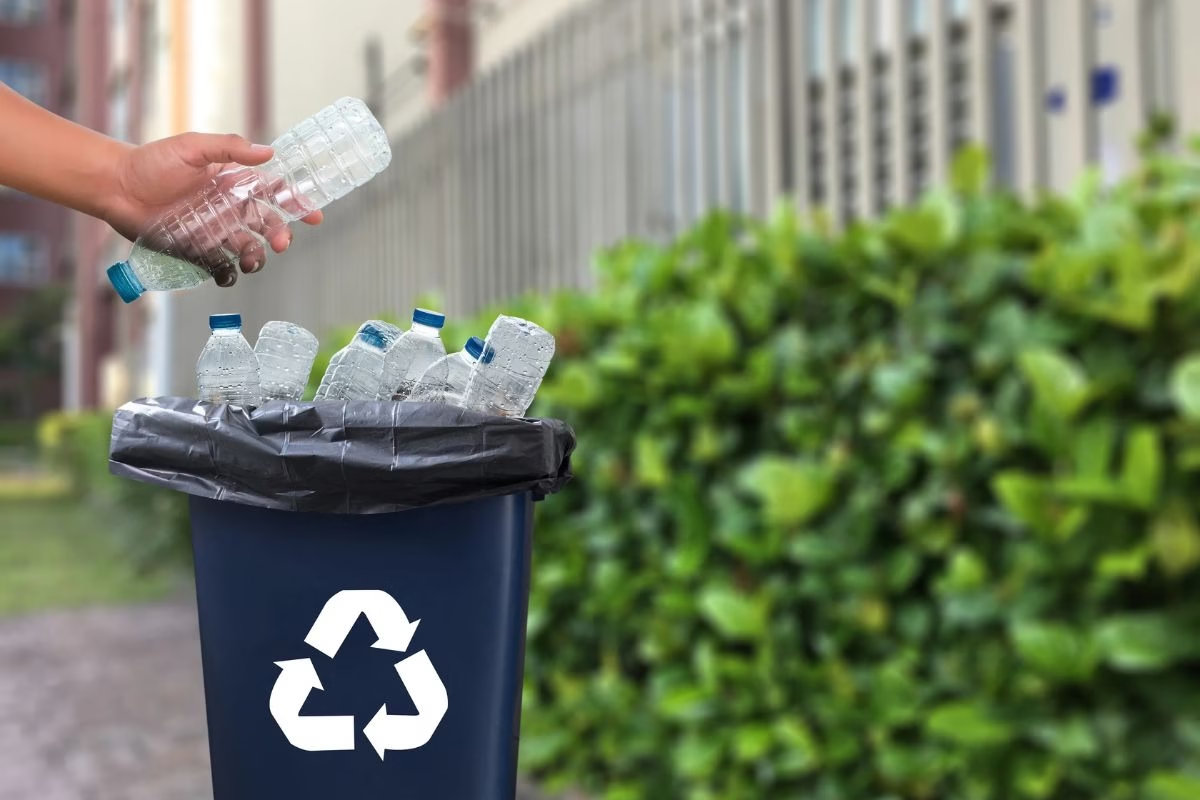
Plastic surrounds us in approaches we hardly ever notice, quietly building up in homes and neighbourhoods. Managing it responsibly isn’t pretty much following rules; it’s approximately protecting our health, maintaining nature, and cutting costs. With the proper approach, each house owner can play a role in shaping a cleaner, brighter tomorrow.
Know Your Plastics
Every family juggles distinctive sorts of plastic; however, treating them all with equal regularity ends in trouble. Some plastics are recyclable, even as others stubbornly withstand breakdown. Knowing that is what saves time, energy, and the planet from pointless strain. For larger family projects, house owners regularly rely upon nearby offerings, such as skip hire st Helens, which allows them to type and control waste efficiently. Think of plastics like characters in a story: each performs a distinctive function, and expertise in them keeps the narrative flowing without confusion or chaos. Knowledge is the primary device in accountable waste management.
Cut Single-Use Items
Single-use plastics sneak into day-to-day lifestyles so casually that it’s easy to underestimate their impact. A straw here, a takeaway bag there, but those short-lived conveniences linger for generations in oceans and landfills. Cutting back begins with saying no to unnecessary items and choosing reusables instead. A stainless steel bottle, a material tote, or a beeswax food wrap can replace throwaways that serve for minutes but pollute for centuries. Once you start, it feels rather satisfying. Every preference to ditch disposables includes a ripple effect, signalling that wastefulness no longer holds a place at your desk or in your routine.
Smart Recycling Tips
Recycling is regularly praised; however, confusion turns it messy. Should lids live on bottles? Can greasy pizza containers cross inside the bin? The reality is, information matters. Keeping paper loose from meal residue, rinsing bottles, and checking council suggestions could make or spoil the process. Recycling successfully guarantees substances don’t get rejected and are not disposed of in landfills. Treat it like a crew effort: if anyone performs by way of the means of the rules, the machine runs smoothly. A few more seconds of care at home can save you years of harm inside the environment, proving that small acts clearly do deliver exceptional weight.
Reuse at Home
Reusing gadgets doesn’t simply lessen waste; it sparks creativity. Old jars can store spices, leftover tubs make ideal freezer boxes, and strong crates can be reworked into smart storage. By giving gadgets a second life, house owners reduce clutter and save money. It’s no longer approximately perfect; it’s approximately rethinking opportunities already within reach. Children can craft with vintage plastic, even as adults repurpose boxes for sensible needs. Before tossing something away, pause and ask if it’d serve again. Often, the solution is yes. This shift now no longer best reduces waste but additionally brings a fresh feel of resourcefulness to regular living.
Safer Disposal Methods
Not all plastics are clean to recycle, and a few require greater caution. Chemical containers, plastic-lined electronics, and clinical waste belong nowhere close to the everyday bin. Councils regularly offer drop-off centres or unique series offerings to address those difficult gadgets safely. Burning or burying plastics at home releases toxins, harming soil, air, and water. Taking the more secure direction can also be inconvenient, but it prevents pollutants from sneaking into our meals and water supply. Responsible disposal isn’t glamorous; however, it safeguards fitness at the same time as protecting the herbal structures we depend on each day for survival and well-being.
Eco-Friendly Alternatives
More and greater families are coming across green options that replace plastic altogether. Beeswax wraps, bamboo toothbrushes, glass bottles, and compostable baggage are not niche; they’re turning into regular staples. Switching can also additionally take a bit of adjustment; however, quickly those swaps experience herbal or even rewarding. Every buy is greater than a transaction; it’s a quiet stand for purer living. Eco-friendly options benefit each family and the surroundings because the pleasure of preserving a long-lasting, environmentally friendly object outweighs the brief consolation of plastic.
Community Recycling Efforts
Individual movement matters, but groups operating collectively make the most important difference. Across towns, neighbours organise plastic-unfastened drives, colleges preserve recycling challenges, and neighbourhood organisations run seaside or park cleanups. These efforts join humans with a shared experience of cause at the same time as decreasing seen waste. When dozens, hundreds, or heaps contribute, trade accelerates. Together, groups create actual development that feels both non-public and powerful. It proves that plastic control isn’t only a solitary mission but also a shared adventure closer to a more fit future.
Conclusion:
Plastic waste control starts at the domestic level; however, its effect reaches a long way beyond. By understanding your plastics, reducing disposables, recycling wisely, reusing creatively, and embracing more secure options, you defend more than simply your household. These day-by-day selections ripple through groups, shaping purer neighbourhoods and safeguarding nature for generations to come.
Also, read: Bulky Waste Collection: 7 Smart Tips for Homeowners

