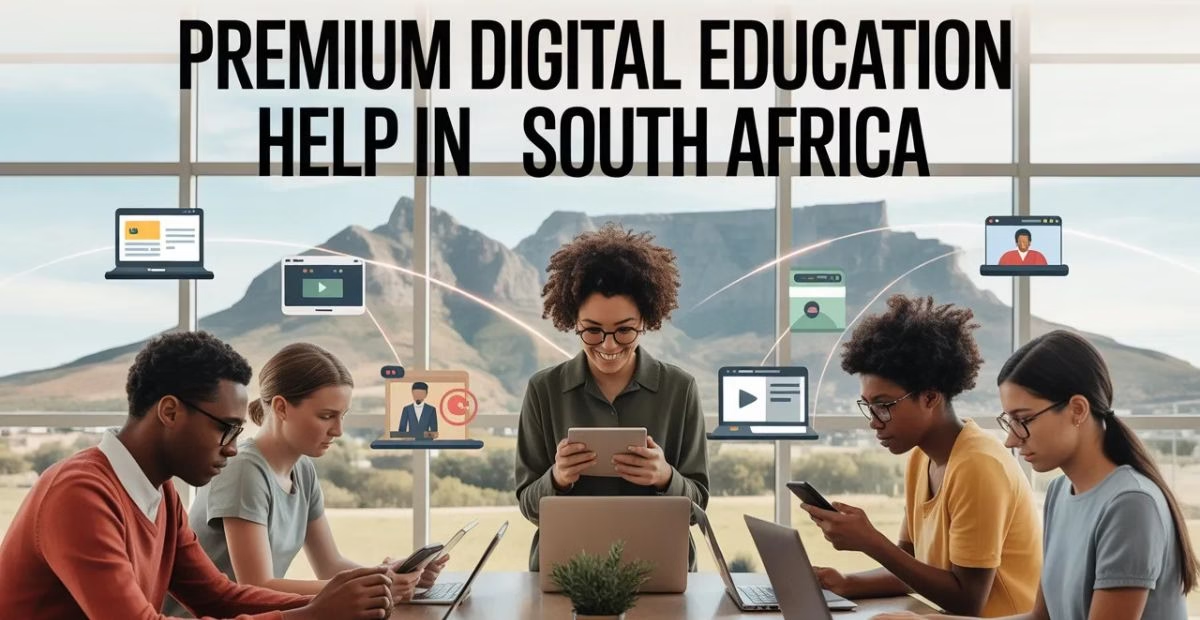
Introduction to Premium Digital Education
Education in South Africa is changing faster than ever. Classrooms are no longer limited to four walls. Today, students can learn from anywhere with just a phone or laptop. This shift has opened doors for millions of learners who once struggled to access quality education.
With the rise of online tutoring South Africa, students now receive personalized academic support, expert guidance, and flexible learning schedules. But what exactly makes digital education “premium”? And why are so many families choosing it today? Let’s explore how this new learning model is shaping the future.
The Evolution of Digital Learning in South Africa
A decade ago, digital learning felt like a luxury. Today, it is becoming a necessity.South Africa now has over 50 million internet users, with nearly 79% online penetration . This growth has made digital education more accessible than ever before.
The COVID-19 pandemic acted as a turning point. Schools closed, and learners had to adapt quickly. Since then, digital platforms have continued to grow, helping students learn beyond traditional classrooms.Across Africa, the e-learning market is expanding at nearly 14.8% annually, showing strong demand for digital education solutions . This growth is not slowing down anytime soon.
Key Features of Premium Digital Education Services
So, what makes digital education “premium”? It’s not just about watching videos online.Premium platforms focus on quality, personalization, and results. Students often receive one-on-one tutoring, customized lesson plans, and real-time feedback.
Many platforms also use AI-driven tools to track progress. These systems identify weak areas and adjust lessons accordingly. Imagine having a tutor who knows exactly where you struggle—before you even ask for help.Other features include interactive quizzes, live classes, and flexible scheduling, making learning more engaging and stress-free.
Benefits for Students Across Different Educational Levels
Digital education supports learners at every stage.For younger students, it builds strong foundations in subjects like math and reading. For high school learners, it offers focused exam preparation and subject mastery.University students benefit the most. Why? Because many struggle to secure admission due to limited space. In fact, South Africa’s universities may reject over 500,000 qualified applicants due to capacity issues .
Digital learning fills this gap. It gives students a second chance to learn, grow, and succeed.Even better, studies show that students in digital environments can perform 15–22% better than those in traditional classrooms .
Popular Digital Education Platforms and Services
South Africa has seen a rise in trusted digital learning platforms.Platforms like WorksheetCloud, Master Maths, and Brainline are helping thousands of students improve their grades. Some platforms even report success rates as high as 98%, depending on the service and level of support .
Global platforms such as Khan Academy and IXL Learning also play a big role, offering free and affordable educational content.These platforms provide a mix of self-paced learning and live tutoring, giving students the flexibility they need.
The Role of Technology in Enhancing Learning Experiences
Technology is the backbone of modern education.Tools like Artificial Intelligence (AI) and Learning Management Systems (LMS) make learning smarter and more efficient. Students get instant feedback, track their progress, and stay motivated.
Gamification is another powerful tool. By turning lessons into games, students stay engaged and enjoy learning.Virtual classrooms also allow real-time interaction between teachers and students. It feels just like a physical class—but without the travel time.
Accessibility and Inclusivity in Digital Education
One of the biggest advantages of digital education is accessibility.In the past, students in rural areas often lacked quality teachers. Today, they can connect with top educators from anywhere.Mobile learning plays a huge role here. With smartphones becoming more common across Africa, even low-income families can access educational content.
In fact, smartphone adoption is growing rapidly, helping more people connect to digital learning platforms .This shift is helping reduce inequality and create more opportunities for all learners.
Challenges Facing Digital Education in South Africa
Despite its growth, digital education still faces challenges.One major issue is internet cost and connectivity. Not all students have reliable access to data or fast internet.
Another challenge is digital literacy. Some learners and parents are not familiar with online tools, making it harder to adapt.There’s also the issue of quality. Not all platforms provide the same level of education. Some lack qualified tutors or structured programs.However, these challenges are being addressed through new investments and innovations.
Government and Private Sector Initiatives
The South African government is actively working to improve digital education.Programs like the Digital Education Transformation Strategy aim to integrate technology into schools .Private companies are also stepping in. Tech giants are investing in infrastructure and skills development, helping students gain digital knowledge.
For example, initiatives focused on improving internet connectivity are making online learning more accessible to families across the country .These combined efforts are shaping a stronger education system.
How Parents and Students Can Choose the Right Digital Education Service
Choosing the right platform can feel overwhelming. So, where should you start? First, check the qualifications of tutors. Are they experienced? Do they specialize in the subject? Next, look at reviews and success rates. Real feedback from other students can give valuable insights.
Also, consider flexibility and pricing. Does the platform fit your schedule and budget? Trying a free trial is always a smart move. It helps you understand if the teaching style matches your needs.
Future Trends in Premium Digital Education
The future of education is exciting.We are already seeing trends like adaptive learning, where systems adjust lessons in real time. Virtual reality classrooms may soon allow students to explore science labs or historical sites from home.
Micro-credentials and short courses are also gaining popularity, helping learners build specific skills quickly.As technology continues to evolve, digital education will become even more powerful and accessible.
Conclusion
Premium digital education is no longer just an option—it’s becoming a necessity. It offers flexibility, accessibility, and personalized learning that traditional systems often cannot provide.
As demand grows, online tutoring South Africa will continue to play a key role in shaping the country’s education future. For students, parents, and educators, the message is clear: the future of learning is digital—and it’s already here.